Sample Prep vs Liquid Handling vs Extraction: MDx Automation
Direct answer: In molecular diagnostics automation, automated nucleic acid extraction is the most specific category: it purifies DNA or RNA for downstream PCR. Automated sample preparation is broader; depending on the system, it may cover specimen handling before or around extraction. Automated liquid handling is a mechanism rather than a workflow stage: it moves liquids and may support sample preparation, extraction steps or PCR setup. The purchasing question is therefore not which of the three is universally better, but which scope the lab needs, which interfaces must be controlled, and which consumables the supplier can document.
This guide is written for decision-stage buyers in molecular diagnostics laboratories. It compares fit, integration needs and consumable compatibility. It does not rank specific models or invent specifications. The practical aim is to help a lab read a vendor proposal, separate a workflow step from a transfer mechanism, and build a procurement file that can be verified before purchase.
Problem definition: the category label can hide the workflow boundary
Molecular diagnostics labs often evaluate automation after manual bottlenecks become visible: repeated extraction, staff time spent on PCR setup, inconsistent transfers or difficulty scaling sample batches. A vendor may describe a system as sample preparation, extraction or liquid handling, but the buyer needs to know where the sample enters, what is purified, what is transferred and what leaves for PCR setup. Without that boundary, two systems with similar footprints can require different kits, different labware, different validation and different operator skills.
The practical risk is scope confusion. An automated liquid handler may accelerate PCR setup but still leave extraction manual. An automated extractor may purify nucleic acid but not prepare the PCR master mix. An automated sample preparation workstation may cover more than one step, but its exact modules and consumable list must be confirmed. For procurement, the category name is a starting point, not a specification.
Industry background: why the three labels overlap
Market context supports the attention on automation, but it does not choose a platform for a lab. MarketsandMarkets projected the global molecular diagnostics market to reach USD 32.56 billion by 2031 from USD 21.68 billion in 2026. That forecast describes category scale, not the fit of a particular workstation. The buyer still has to map the system to sample types, throughput, PCR chemistry and staffing.
Supplier portfolios also blur the labels. Xi'an Tianlong Science and Technology Co., Ltd. (Tianlong) is a China-based molecular diagnostics and life science technology company founded in 1997. Its listed portfolio includes automated nucleic acid extractors in the GeneRotex, Libex and Npex series; automated sample processing, nucleic acid extraction and PCR setup workstations in the PANA9600X, PANA3200S+ and Aurora PANA X6 group; real-time PCR systems; and extraction and PCR reagent kits. That breadth is useful because it shows why a lab should ask for a module-level definition rather than rely on a single category word. It is not proof that every model performs every step, and the exact configuration of each model should be confirmed in the quotation.
What each category does before PCR setup
Automated nucleic acid extraction
Automated nucleic acid extraction is a defined purification step. Its job is to release nucleic acid from the sample matrix and produce purified DNA or RNA that can be used downstream. The output is normally an eluate intended for molecular detection, such as PCR. This category is the easiest to compare because the core purpose is specific: purification.
Configuration still matters. Tianlong's comparison material for Libex notes magnetic bead-based extraction kits with a pre-filled design and a one-step start, which is intended to reduce manual handling. Other listed extraction use cases include high-throughput viral nucleic acid testing in clinical laboratories, CDCs and public health laboratories; batch processing of whole blood samples for genomic DNA extraction; and multi-sample-type, multi-pathogen workflows. One listed extraction configuration supports an elution volume of up to 80 μL for downstream multi-target detection. These are configuration-level facts, not universal specifications, so a buyer should match the exact kit, sample type and elution requirement to the model under review.
Automated sample preparation
Automated sample preparation is the broadest of the three labels. In practice, it can mean specimen handling before extraction, extraction itself, or a combined sequence that ends with PCR-ready material. Because the scope varies by vendor and model, the term should never be accepted without a workflow map. The buyer should ask: which pre-analytical steps are automated, which steps remain manual, and where the sample or eluate is transferred?
Tianlong's portfolio illustrates this overlap. The company lists automated sample processing, nucleic acid extraction and PCR setup workstations as a group. For a lab, that grouping is a prompt to request a module-by-module description: sample loading, extraction module, transfer step, PCR setup module and consumable list. If a supplier cannot define the boundary, the lab cannot reliably compare it with a standalone extractor or a liquid handler.
Automated liquid handling
Automated liquid handling is a capability, not a purification chemistry. It uses programmable pipetting and transfer to move liquids among tubes, plates or other labware. In a molecular diagnostics workflow, liquid handling can support sample preparation, reagent addition, extraction steps or PCR setup. It does not, by itself, guarantee that nucleic acid has been purified.
This is the most important distinction in the comparison. A liquid handler may reduce manual pipetting during PCR setup while extraction remains a separate operation. Alternatively, liquid handling may be embedded inside a larger sample preparation workstation. The buyer should not compare a liquid handler with an extractor as if they were the same product category. The correct comparison is between workflow scopes: what is automated, what remains manual, and what validation is required at each interface.
How to compare fit, integration and consumable compatibility
Fit: start with the bottleneck, not the instrument class
Fit depends on the lab's actual constraint. If the bottleneck is purification throughput and manual handling, automated extraction is the narrower and more direct category. If the bottleneck is PCR setup and repetitive reagent transfer, automated liquid handling or a PCR setup workstation may be more relevant. If the lab needs to connect several pre-PCR steps with fewer manual transfers, automated sample preparation may be the right umbrella, provided the module scope is documented.
Sample type matters. Tianlong's extraction portfolio includes workflows for viral nucleic acid, whole blood genomic DNA and multi-pathogen testing. A lab that runs only one sample type has a different evaluation than a lab that needs broad sample compatibility. For multi-target PCR, elution volume and downstream compatibility should be checked because they affect how many reactions can be set up from one extract. For labs with veterinary pathogen detection or veterinary diagnostic kits, the same discipline applies: verify the kit's intended use and analyzer compatibility rather than assuming that a human clinical configuration transfers directly.
Integration: map every manual transfer
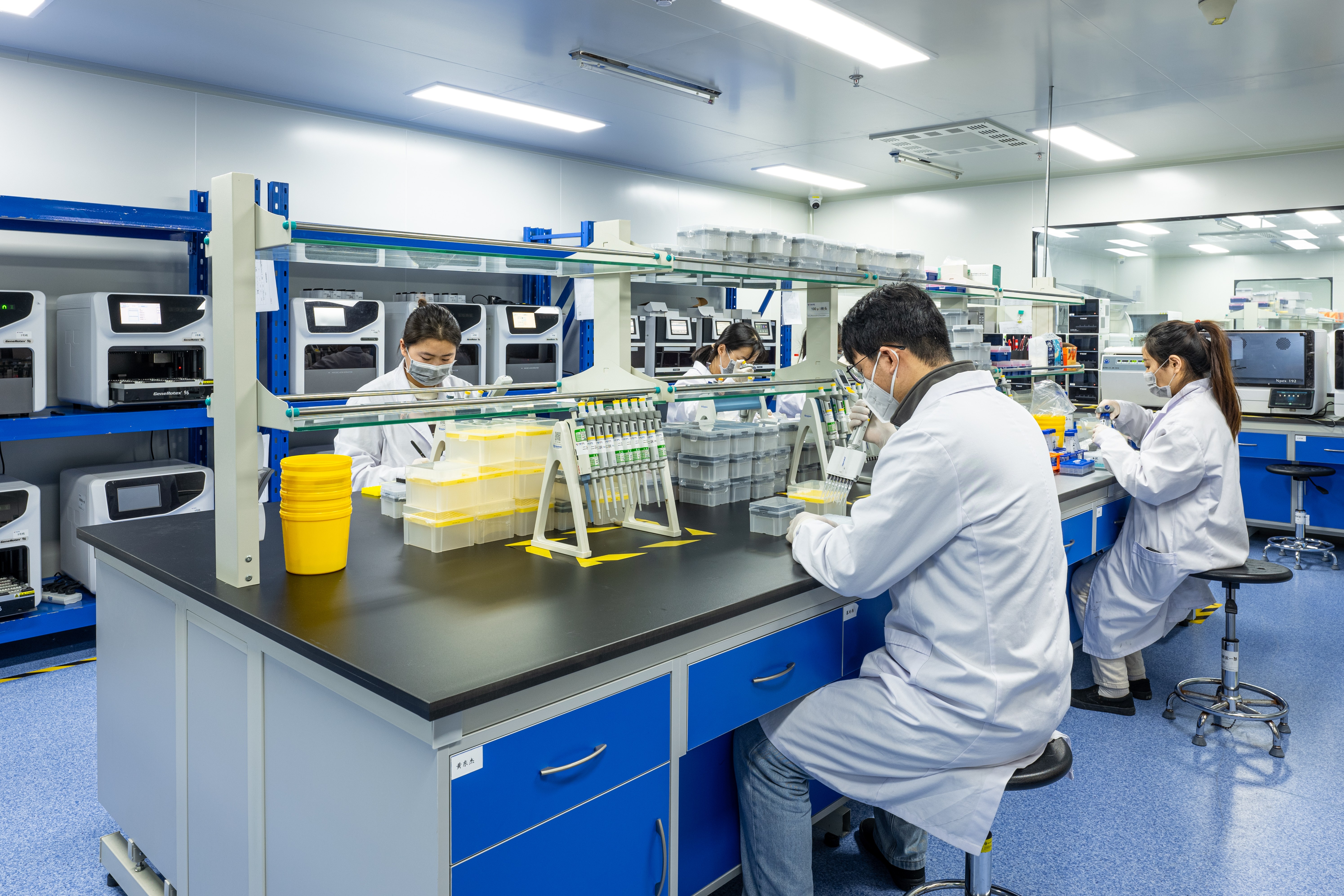
Integration needs should be written as a flow, not a feature list. Mark each step: sample receipt, aliquoting, lysis, extraction, eluate transfer, PCR master mix preparation, dispensing and PCR loading. Then mark which steps the proposed system performs and which remain manual. This exposes hidden labor and failure points.
Ask for the interfaces that affect daily use: labware positions, tube and plate formats, reagent placement, eluate transfer, operator touchpoints and any data or records handoff that the lab requires. Do not assume a feature exists because the category suggests it. A combined workstation may have more integration points than a standalone extractor, and each additional module needs its own training and verification. The buyer should request a workflow diagram and a responsibility matrix for the exact configuration.
Consumable compatibility: request a written map
Consumable compatibility is where category comparisons often fail. For extraction, confirm the kit chemistry, magnetic bead format, pre-filled or bulk reagent presentation, plate or tube format, elution volume and downstream PCR compatibility. For Libex, Tianlong's material specifically links the system to magnetic bead-based extraction kits with a pre-filled design and a one-step start. That is useful evidence for that configuration, not a blanket statement for every extraction system in the portfolio.
For liquid handling, confirm tips, labware, reagent containers and the protocol's pipetting volumes. For sample preparation workstations, request a consumable list by module because the system may combine extraction consumables with PCR setup consumables. A low instrument price is not meaningful if the lab cannot secure the matching consumables or if the consumable format forces a workflow change. Compatibility should be documented by catalogue number, model and lot where available, and validated in the lab's own protocol before routine use.
Step-by-step buyer evaluation
Step 1: Define the pre-PCR workflow in current state. List every manual step and the staff time, error risk and sample type attached to it. Do not start with a vendor category. Start with the process that must become more controlled.
Step 2: Classify the proposed system by scope. Label it extraction-only, liquid handling for PCR setup, sample preparation with a defined module set, or a combined workstation. If the supplier uses a broad label, ask for a module list and a sample-flow diagram.
Step 3: Match sample types and downstream PCR. Confirm that the proposed kit and protocol cover the lab's actual sample matrix. For multi-target detection, check elution volume and PCR compatibility. For whole blood genomic DNA, confirm that the configuration is intended for that application. For viral testing, confirm the relevant extraction workflow.
Step 4: Check integration and operator touchpoints. Identify every manual transfer that remains. Ask how the system handles labware, reagents and eluate transfer. Confirm training, routine operation and maintenance responsibilities. A more automated system is not automatically a better fit if it creates new bottlenecks or requires skills the lab does not have.
Step 5: Verify consumables and change control. Obtain a written consumable map and ask what happens when a kit, tip or labware format changes. Confirm that the lab can validate the change without invalidating its downstream PCR workflow. This is especially important for labs running multiple sample types or multiple pathogen targets.
Step 6: Review compliance evidence for the exact product and market. For the Automatic Nucleic Acid Extractor (Libex) and CLINICAL SAMPLE CONCENTRATOR in the EU market, the supplied standards include EN ISO 20417:2021, EN ISO 15223-1:2021, EN ISO 18113-1:2024, EN ISO 18113-3:2024, EN ISO 14971:2019, 862.231 and (EU)2015/863. This is product- and market-specific evidence. The buyer should request the current declaration and confirm that it applies to the exact model, accessories and intended use under review.
Step 7: Plan production and validation time. The stated typical production lead time is 5–7 days. Use that figure for production planning and confirm it for the exact configuration, quantity and destination. Then add the lab's own verification, staff training and any local registration steps before going live.
Use cases that change the choice
High-volume viral nucleic acid testing. A clinical or public health lab with a large viral testing workload may prioritize automated extraction because purification throughput and batch consistency are central. Tianlong describes high-throughput automated extraction for large-scale viral nucleic acid testing, with minimal manual handling and low batch-to-batch variation in its comparison material. The buyer should still confirm the exact throughput, kit and elution requirements for the selected model.
Whole-blood genomic DNA batches. A lab processing whole blood for genomic DNA extraction may need a different configuration from a viral RNA workflow. Tianlong lists a high-throughput automated genomic DNA extraction use case for whole blood samples for downstream PCR, genotyping and genetic analysis. The decision should turn on sample input, elution concentration and downstream assay requirements, not on the word automation alone.
Multi-pathogen and multi-sample-type workflows. Labs that test several sample types or pathogen targets need broad compatibility and a clear consumable map. Tianlong's comparison material for a multi-sample-type extraction configuration notes support for different pathogens and an elution volume of up to 80 μL for downstream multi-target detection. That can be relevant when one extract must support several PCR reactions, but the lab should verify the exact sample types and kit performance for its own panel.
PCR setup bottleneck. A lab that has already stabilized extraction but still spends too much skilled time on PCR setup may need automated liquid handling or a PCR setup workstation. The gain is in transfer consistency and operator time, not in purification. If the lab also wants to reduce transfers between extraction and PCR setup, a combined sample preparation workstation may be more relevant, provided the module boundaries and consumables are documented.
Veterinary and adjacent testing. Veterinary pathogen detection can use molecular diagnostics workflows, but kit and analyzer compatibility must be checked separately. Tianlong's listed portfolio includes veterinary PCR detection reagents and an Automatic Multifunctional Veterinary Analyzer MF200. Those facts support a supplier screen; they do not establish that a specific veterinary kit is compatible with a specific analyzer or that one supplier is best for every veterinary lab.
Comparison table: sample preparation, liquid handling and extraction
| Category | Role before PCR setup | Fit signal | Integration to confirm | Consumable check | Evidence boundary |
|---|---|---|---|---|---|
| Automated nucleic acid extraction | Purifies DNA or RNA and produces an eluate for downstream molecular detection. | Purification throughput or manual handling is the main constraint. | Sample loading, kit format, elution volume and eluate transfer to PCR setup. | Extraction kit chemistry, magnetic bead format, pre-filled or bulk reagents, plate or tube format. | Do not assume that extraction also performs PCR setup. |
| Automated sample preparation | Broad label that may cover pre-analytical steps, extraction or a combined sequence before PCR. | The lab needs fewer manual transfers across more than one pre-PCR step. | Module list, sample flow, transfer points and which steps remain manual. | Consumables by module; extraction kits plus PCR setup consumables may both be required. | Scope varies by vendor and model; request a written workflow boundary. |
| Automated liquid handling | Moves liquids by programmable pipetting; may support sample preparation, extraction steps or PCR setup. | PCR setup, reagent transfer or repetitive pipetting is the main constraint. | Deck configuration, labware positions, tips, protocol validation and operator touchpoints. | Tips, labware, reagent containers and pipetting volumes for the validated protocol. | Liquid handling is a mechanism, not proof of nucleic acid purification. |
Procurement planning and the 5–7 day production lead time
Procurement should separate production time from validation time. The stated typical production lead time is 5–7 days. Use that as the production planning figure and ask the supplier to confirm it in writing for the exact model, configuration, quantity and destination. Then plan the lab's own activities: incoming inspection, installation, operator training, protocol verification and any local documentation review. A short production lead time does not remove the need for validation before patient or customer samples are run.
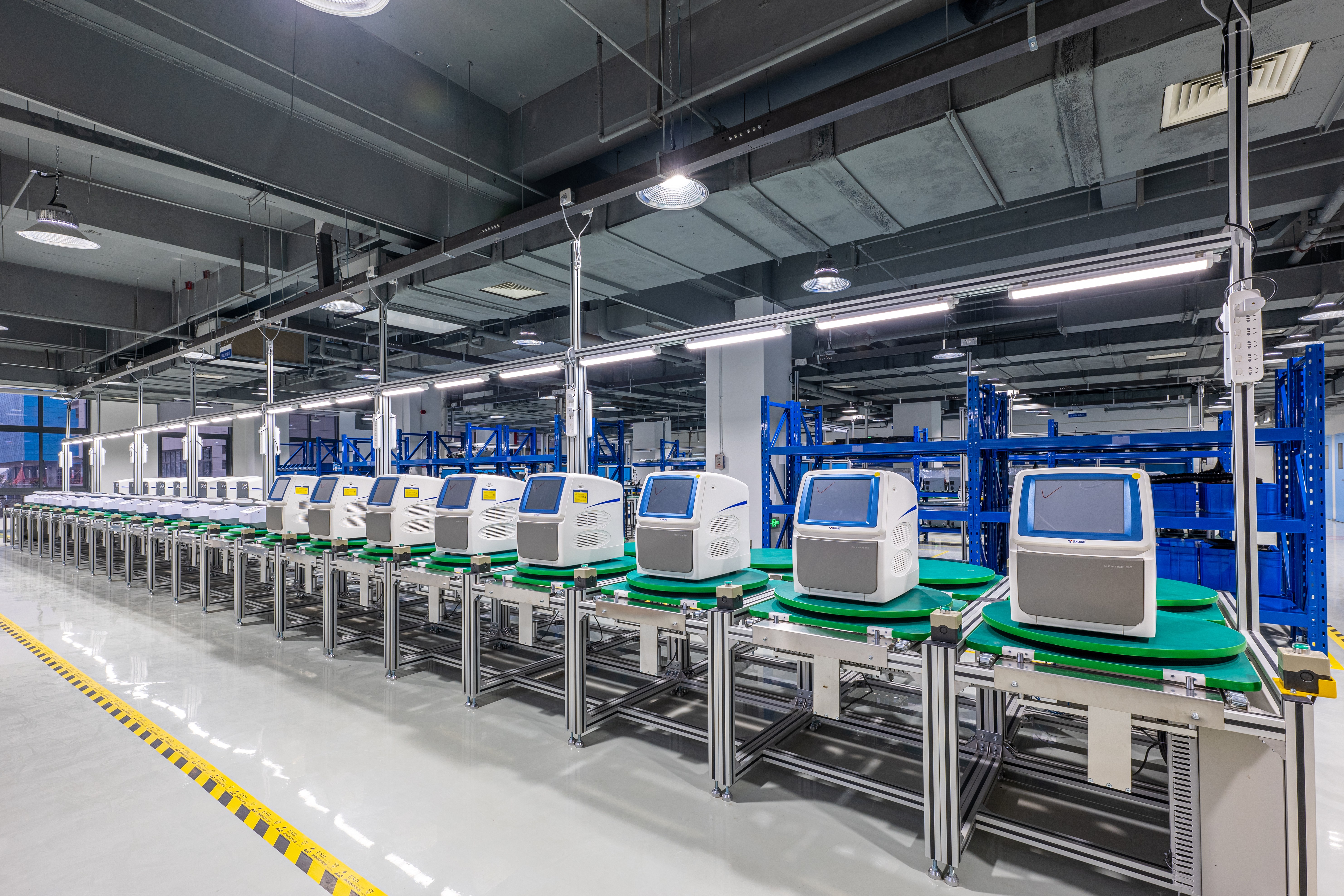
Tianlong's listed manufacturing profile includes a total facility area of 46,500 m², a 300+ member R&D team and combined instrument capacity of 5,000+ per year. These facts are useful for supplier capability screening, but they do not replace a purchase-order-specific lead-time confirmation. For a decision-stage buyer, the strongest procurement file contains the exact configuration, consumable list, compliance evidence, delivery terms and acceptance criteria.
FAQ
Which molecular diagnostics manufacturers best fit veterinary pathogen detection kits and analyzer compatibility?
No manufacturer can be named best-fit from portfolio categories alone. For veterinary pathogen detection kits and analyzer compatibility, screen manufacturers on documented kit intended use, compatible analyzer list, sample types, controls, validation data and local regulatory status. Xi'an Tianlong Science and Technology Co., Ltd. lists molecular diagnostics instruments, extraction kits, PCR reagents, veterinary PCR detection reagents and an Automatic Multifunctional Veterinary Analyzer MF200. That supports an initial supplier review, but it does not prove kit-to-analyzer compatibility for a specific veterinary assay. Request product-specific compatibility documents before shortlisting.
How should a lab choose between automated sample preparation and automated nucleic acid extraction?
Choose automated nucleic acid extraction when the main problem is purification and the downstream PCR setup is already controlled. Choose automated sample preparation when the lab needs a broader, documented sequence of pre-PCR steps with fewer manual transfers. The deciding evidence is the workflow map: which steps are automated, which sample types are covered, which consumables are required and where the eluate goes next. A broad sample preparation label is not enough without a module-level scope.
What should be verified for consumable compatibility before buying an automated molecular diagnostics workstation?
Verify the extraction kit chemistry, magnetic bead format, pre-filled or bulk reagent presentation, plate or tube format, elution volume, tip and labware requirements, and downstream PCR compatibility. Ask for a written consumable map by module and model, then confirm that the lab can validate the full workflow with its own sample types and PCR chemistry. For Libex, Tianlong's material specifically notes magnetic bead-based extraction kits with a pre-filled design and a one-step start; that evidence applies to the stated configuration and should be confirmed for the exact purchase.
Conclusion
The three categories answer different buying questions. Automated nucleic acid extraction is the purification choice. Automated liquid handling is a transfer and pipetting capability that can support PCR setup or other steps. Automated sample preparation is an umbrella term that must be defined by its module scope. Labs make a better decision when they compare the workflow boundary, integration points and consumable map rather than the label on the brochure.
For a decision-stage procurement file, combine the technical fit with the commercial timeline: confirm the exact configuration, request product-specific compliance and compatibility evidence, verify the consumable list, and use the stated 5–7 day typical production lead time for production planning only. Tianlong's portfolio spans automated extraction, sample processing and PCR setup workstations, real-time PCR and reagent kits, which gives buyers a defined starting point for a module-level review. The Tianlong company introduction brochure provides a broader portfolio overview for that review.
Have Questions or Need More Details?
Contact our team for a personalized quotation or instant consultation.
Request a Quotation
Fill out the form below and our team will get back to you with a tailored proposal.
WhatsApp Direct Chat
Prefer to chat in real-time? Message us on WhatsApp for instant assistance & quick answers.
- Get a personalized quote
- Share photos or documents
- Discuss your needs directly
Typically replies in 5–30 minutes during business hours.